
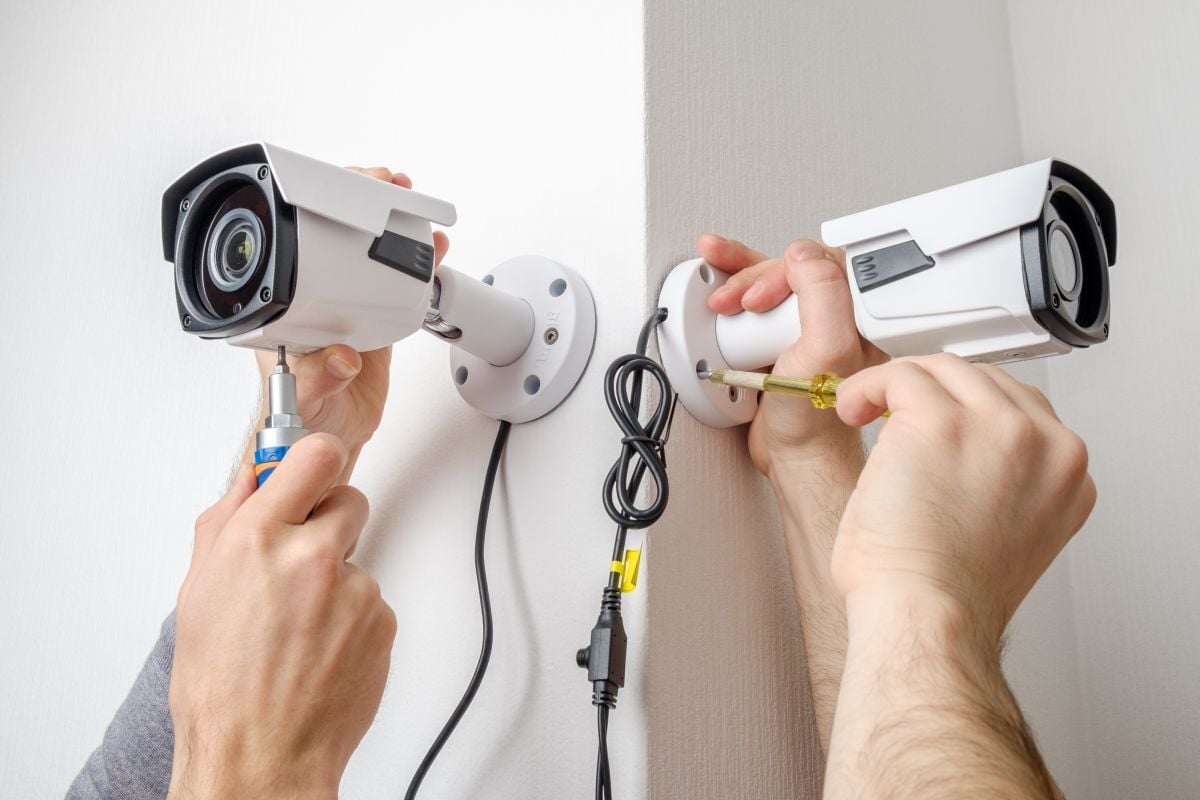
For businesses of all sizes, commercial security systems are critical investments. Cameras, access control, intrusion detection, and alarm systems protect employees, property, and sensitive data. But like any sophisticated technology, these systems require regular inspections and maintenance to remain reliable and compliant.
This guide breaks down how often security inspections should occur, what they include, and why recurring service contracts can save money, reduce risk, and ensure peace of mind.

1. Why Regular Security Inspections Matter
Even the most advanced security system can fail if not properly maintained. Regular inspections:
- Ensure functionality: Cameras, sensors, and alarms must work reliably when you need them most.
- Reduce downtime: Prevent costly failures by catching issues early.
- Support compliance: Some industries require documented inspections to meet regulatory or insurance requirements.
- Protect ROI: Maximize the lifespan of security equipment and prevent unnecessary replacements.
Tip: Think of inspections as a proactive investment—much like servicing fire sprinklers or HVAC systems.
2. How Often Should Security Inspections Occur?
The frequency of inspections depends on the type of system, facility size, and risk level:
- Monthly Checks: Basic visual inspections for cameras, alarm panels, and access control points to catch obvious problems.
- Quarterly Reviews: Test system functionality, software updates, and network connectivity.
- Semi-Annual or Annual Inspections: Comprehensive evaluation of the entire system, including sensors, wiring, backup batteries, and recording devices.
Tip: Businesses with high-risk assets or 24/7 operations may benefit from more frequent inspections.
3. Key Components of a Security Inspection
- Access Control Systems:
- Test doors, locks, badge readers, and mobile credentials.
- Verify that access permissions are up to date.
- Check battery levels in wireless devices.
- Video Surveillance Systems:
- Ensure cameras are operational and correctly positioned.
- Test recording and storage systems.
- Check for software updates, cybersecurity patches, and unauthorized access attempts.
- Intrusion Detection Systems:
- Verify sensors, motion detectors, and alarms trigger correctly.
- Test backup power systems and signal transmission to monitoring centers.
- Alarm and Notification Systems:
- Confirm audible and visual alerts function properly.
- Test integration with fire alarms, mass notification, and emergency communication systems.
Tip: A thorough inspection documents the system’s health, performance, and compliance status, reducing liability in case of incidents.
4. Benefits of Recurring Service Contracts
Many businesses choose recurring service contracts with security providers for peace of mind:
- Scheduled maintenance: Regularly timed inspections and preventive maintenance.
- Compliance documentation: Professional reports suitable for audits or insurance claims.
Tip: A service contract ensures that inspections are not skipped or delayed, which is critical for protecting assets and meeting regulatory requirements.
5. Industry Considerations
- Healthcare: Protect patient data and medical equipment with frequent inspections.
- Education: Ensure campus safety by keeping cameras, alarms, and access points fully operational.
- Warehouses & Manufacturing: Reduce theft and downtime with proactive monitoring and maintenance.
- Retail & Corporate Offices: Maintain security while ensuring compliance with insurance and local regulations.
Tip: Inspection schedules should be tailored to the facility’s size, risk profile, and operational complexity.
6. Key Takeaways
- Security inspections are essential to keep systems functional, compliant, and reliable.
- The frequency varies—monthly, quarterly, and annual checks serve different purposes.
- Inspections should cover access control, video surveillance, intrusion detection, and alarm systems.
- Recurring service contracts simplify maintenance, improve response times, and document compliance.
- Tailoring inspections to your industry and facility type ensures maximum protection.
Regular commercial security inspections are a critical part of a comprehensive facility safety strategy. By partnering with a professional provider like Koorsen Fire & Security today, businesses can ensure reliable system performance, regulatory compliance, and peace of mind, while protecting employees, customers, and assets.